15 Things You Forget to Clean (Everyday Items You’re Overlooking)
You can have a tidy home, clean counters, and sparkling sinks, yet still live with hidden germs. The problem is not effort. It is all the quiet little spots in your space that rarely make the checklist.
Once you start noticing these things you forget to clean, you cannot unsee them. Light switches, phone screens, reusable bags, even the buttons on your washer collect grime, bacteria, and allergens.
This guide walks through 15 everyday items many people skip, plus simple, kid- and pet-friendly ways to clean them with products you probably already have.
*This article may contain affiliate links.
This means I sometimes earn a commission, at no extra cost to you, if you make a purchase using my link.
Further info can be found in the disclaimer.
Apartment Therapy even rounded up 64 things everyone always forgets to clean, which shows how common this is. You are definitely not alone.
Things You Forget to Clean (Quick Checklist of Overlooked Items)
- Light swtiches and door handles
- Phone and tablet screens
- Remote control and game controllers
- Reusable water bottles and travel mugs
- Reusable grocery bags and lunch bags
- Kitchen sponges and dish brushes
- Toothbrush holders and rinsing cups
- Makeup brushes and beauty sponges
- Laundry baskets and hampers
- Washing machine seals and detergent drawers
- Shower curtains and liners
- Hair brushes, combs, and hot tools
- Pet bowls and toys
- Keyboards and computer mice
- Car steering wheel
Before You Start: Simple Cleaning Safety Tips (What Not to Mix + What to Use)
Before you grab the spray bottle, keep a few basics in mind:
- Never mix bleach with vinegar or ammonia. It creates dangerous fumes.
- Keep kids and pets out of small spaces while you use strong cleaners.
- Use a soft microfiber cloth for most surfaces to avoid scratches.
- For electronics, use minimal liquid and stick to 70% isopropyl alcohol or a cleaner made for screens.
- When in doubt, test a small hidden patch first.
Now let us tackle the most common things you forget to clean at home.
15 Things People Forget to Clean (And How to Clean Them Safely)
These are the commonly forgotten things to clean that quietly collect germs, here’s how to clean each one safely.
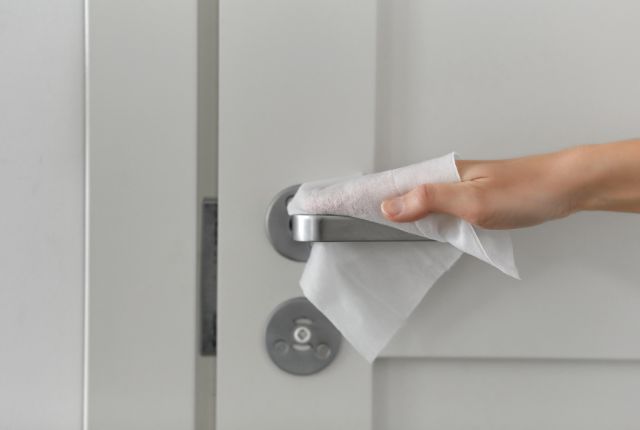
1. How to clean light switches and door handles (high-touch spots people forget to clean)
These are some of the most-touched spots in any home, especially with kids.
How to clean it: Wipe with a microfiber cloth lightly dampened with mild dish soap and water. For disinfecting, follow with 70% isopropyl alcohol on a cloth, then dry.
Avoid: Spraying cleaner directly on switches or into keyholes.
2. How to clean phone and tablet screens safely (without damaging coatings)
Your phone goes from the gym to the kitchen to your pillow. Enough said.
How to clean it: Power off. Use a microfiber cloth slightly damp with 70% isopropyl alcohol, or a screen-safe wipe. Wipe the case with soapy water, then dry.
Avoid: Glass cleaner, vinegar, or anything abrasive that can damage screen coatings.
3. How to clean remote controls and game controllers (buttons, seams, and sticky spots)
Remotes collect skin oils, snack crumbs, and germs from every set of hands.
How to clean it: Remove batteries. Use a cotton swab dipped in 70% isopropyl alcohol for buttons and seams. Wipe the body with a barely damp microfiber cloth, then dry.
Avoid: Getting moisture into battery compartments or charging ports.
4. How to clean reusable water bottles and travel mugs (lids, straws, and odors)
If your bottle smells “off,” you are smelling trapped bacteria and mold.
How to clean a water bottle straw / How to clean a travel mug lid
Disassemble lids and straws. Soak in hot water with a drop of mild dish soap. For odor, use a mix of warm water and baking soda, then rinse well.
Avoid: Leaving bottles sealed while damp, which encourages mold growth.
5. How to clean reusable grocery bags and lunch bags (forgotten items that get germy fast)
These often touch raw meat packages, public carts, and dirty car floors.
Can you wash reusable grocery bags in the washing machine?
Check the tags. Most fabric bags can go in a gentle, cold wash and air-dry.
Wipe insulated lunch bags with soapy water or diluted vinegar, then dry open.
Avoid: High heat in the dryer, which can warp insulation or melt coatings.
6. How to clean kitchen sponges and dish brushes (and how often to replace them)
A soggy sponge can hold more bacteria than your trash can.
Rinse after each use and squeeze dry. Once a day, microwave a damp sponge for 60 seconds, or run sponges and dish brushes through the dishwasher on a hot cycle.
How often should you replace a kitchen sponge?
Avoid “forever use.” Replace sponges every 1 to 2 weeks.
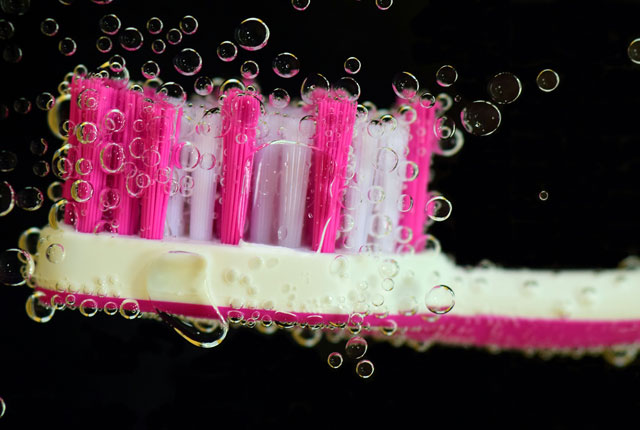
7. How to clean toothbrush holders and rinsing cups (overlooked bathroom items)
Water drips and toothpaste sludge settle at the bottom and stay there.
How to clean it: Soak holder and cup in hot, soapy water. Use a bottle brush or old toothbrush to scrub inside, then rinse and let dry completely.
Avoid: Sitting them back on a wet counter, which re-starts the mess.
See the article How to Clean Your Toothbrush
8. How to clean makeup brushes and beauty sponges (simple routine, fewer breakouts)
Dirty brushes can trigger breakouts and spread eye infections.
How to clean it: Use a small drop of gentle shampoo or mild dish soap in lukewarm water. Swirl brushes, rinse until water runs clear, then dry flat. Wash beauty sponges the same way and air-dry.
Avoid: Soaking metal ferrules, which loosens glue and sheds bristles.
Better Homes & Gardens also flags makeup tools as home objects you’re forgetting to clean, so this one is worth putting on repeat.
9. How to clean laundry baskets and hampers (plastic, fabric, and musty smells)
Sweaty clothes and damp towels leave bacteria and odor behind.
How to clean it: For plastic baskets, wipe with warm, soapy water or diluted vinegar. For fabric hampers with liners, wash the liner on a warm cycle and air-dry.
Avoid: Ignoring mildew spots, which can spread to clean clothes.
10. How to clean washing machine seals and detergent drawers (stop that musty washer smell)
That musty washer smell often comes from soap buildup and trapped water.
To clean: Pull out detergent drawers and scrub with warm water and mild dish soap.
How to clean a front-load washer rubber seal
Wipe the rubber door seal with diluted vinegar and a cloth, drying carefully.
Don’t use bleach on rubber seals as it can cause cracking.
Merry Maids shares more tips in their guide to the 15 most overlooked places to clean in your home.
11. How to wash shower curtains and liners (and prevent mildew)
Soap scum and mildew love damp plastic and fabric.
Can you wash a shower curtain liner in the washer?
Many fabric curtains and plastic liners can go in the washer on a gentle cycle with mild detergent and a couple of towels, then hang to dry.
Don’t use strong chemicals like bleach as it can damage shower curtains.
12. How to clean hair brushes, combs, and hot tools (buildup, oils, and safety)
Hair products, oils, and shed hair build up fast.
How to clean it: Pull out trapped hair. Soak brushes and combs (not wood) in warm, soapy water for 10 to 15 minutes. Wipe flat irons and curling wands with a cloth dampened with 70% alcohol only when unplugged and cool.
Avoid: Submerging electric tools in water.
13. How to clean pet bowls and pet toys (daily habits that matter)
If you would not eat off it, your pet should not either.
How to clean it: Wash stainless steel or ceramic bowls daily with hot water and mild dish soap. Soft toys can often go in a gentle wash cycle, hard toys in a sink of soapy water.
Have two pet toy baskets on the go so when toys need cleaning (or throwing), you can distract your pooch with toys they’ve not seen for a while and don’t miss the ones you’re throwing.
Avoid: Strong chemical cleaners, mild dish soap is enough and if not – throw out.
14. How to clean keyboards and computer mice (crumbs, oils, and quick disinfecting)
Crumbs, skin oils, and dust collect in every gap and groove.
How to disinfect a keyboard without damaging it
Unplug or power down. Turn the keyboard upside down and gently shake out debris. Use compressed air if you have it, then wipe keys and mouse with a cloth lightly dampened with 70% isopropyl alcohol.
Get into the habit of wiping your computer mouse everyday.
Don’t spray liquid directly onto electronics.
15. How to clean your car steering wheel and gear shift (two forgotten places to clean)
These surfaces see everything from daycare runs to coffee runs.
How to clean it: Wipe with a microfiber cloth and a small amount of mild dish soap and water.
How to clean a leather steering wheel
For leather, use cleaner made for leather, then dry.
Avoid harsh cleaners that strip leather or make surfaces slippery.
Good Housekeeping also highlights steering wheels in their list of filthy things we forget to clean, which makes sense when you think about how often you drive.
Overlooked Places to Clean: A Weekly Routine You Can Actually Stick To
You do not need a marathon cleaning day to handle all these things you forget to clean. Pick 3 items this week, add them to your planner or phone reminders, and rotate through the rest over the month.
If you want more ideas, the team at Merry Maids, Good Housekeeping, and Apartment Therapy all share smart lists of forgotten spots, and Apartment Therapy’s 64 things everyone always forgets to clean is a helpful reference on busy weeks.
Small habits matter. A quick wipe of light switches, a monthly wash of shower curtains, or a weekly clean of your phone screen can cut germs, odors, and allergens. Start with the items that touch your family’s hands and faces most, and build from there.
It’s easy to forget about these areas where hidden germs flourish – keep a handy antibacterial pack of wipes nearby to make it easier to remember those heavily-used areas like door handles, remote controls and steering wheels!
With that said, I’m off to give my computer mouse a little wipe!
FAQ: Common Forgotten Things to Clean (How Often + Best Methods)
What are the most commonly forgotten things to clean?
The most commonly forgotten things to clean are the high-touch, everyday items you handle without thinking, like light switches, door handles, remotes, phones, keyboards, reusable bottles (especially lids and straws), toothbrush holders, sponges, and laundry hampers. These don’t always look dirty, so they’re easy to miss… but they collect oils, crumbs, moisture, and germs fast. (Your list is basically the hall-of-fame of forgotten items!)
How often should you disinfect high-touch surfaces?
A simple rule:
- Clean high-touch surfaces regularly (especially in busy homes).
- Disinfect when someone is sick or when someone in the home is at higher risk of getting sick.
In real-life terms for most families: a quick wipe-down of high-touch spots daily or a few times a week works well, and bump it up when colds/bugs are going around.
Is 70% isopropyl alcohol safe for electronics?
Usually, yes—when used correctly. Apple specifically says you can gently wipe exterior surfaces with a 70% isopropyl alcohol wipe (or similar disinfectant wipes).
Quick “safe use” checklist:
- Power off/unplug first
- Apply alcohol to a cloth/wipe, not directly to the device
- Avoid moisture in openings/ports
- Never spray or soak
- Let it fully dry before powering back on
(And if you can, follow the manufacturer guidance for your specific device.)
Can you wash reusable grocery bags in the washing machine?
Often yes, but it depends on the material:
- Cloth/fabric bags: usually machine washable (gentle cycle), then air dry or dry per the tag.
- Plastic-lined/insulated bags: usually better to hand wash/scrub with hot soapy water and let them dry fully open.
Food-safety guidance also recommends washing reusable bags regularly (especially after carrying meat/produce).
Can you wash a shower curtain liner in the washer?
In many cases, yes—most liners can be washed on a gentle/delicate cycle with mild detergent and a couple of towels (the towels help scrub and keep the load balanced). Then hang to air-dry.
Just do a quick check first:
- Look for a care label (some liners aren’t machine washable)
- Avoid high heat and skip the tumble dryer (air-dry is best).
What cleaning products should you never mix?
The big safety rule: Don’t mix household cleaners—especially anything with bleach. CDC says never mix bleach (or disinfectants) with other cleaners or disinfectants because it can release dangerous vapors.
Common “never mix” combos:
- Bleach + ammonia (toxic gases)
- Bleach + vinegar or other acids (chlorine gas risk)
- Bleach + rubbing alcohol (dangerous fumes/chemicals)
- Hydrogen peroxide + vinegar (can create an irritating/corrosive acid)
Safe habit: use one product at a time, rinse/wipe with water between products, and always ventilate.